
The Two Main Players | Knits and Spunlace | What to use Where
There’s a lot of noise about cleanroom wipers, but for the pharmaceutical industry you really can simplify it down to two main choices.
1. 100% Synthetic Knits (For ISO Class 5 / Class 10–100)
When you're operating in critical, controlled environments, 100% continuous-filament knitted polyester is the undisputed gold standard.
- Why they work: Because the synthetic fibers are continuous threads knitted together, there are virtually no loose ends to shed into your space. To take it a step further, these wipes feature ultrasonically or laser-sealed edges, sealing off stray threads so they won't fray or drop particles while you wipe.
- Where to use them: ISO Class 3–5 (Class 10–100) environments, sterile filling suites, and aseptic processing zones where even a single stray fiber can compromise a batch.
- The trade-off: They are exceptionally clean and durable against harsh sterilizing agents, but pure synthetics naturally hold less liquid than natural fibers, and they come at a premium price point.
2. Hydroentangled Cellulose/Polyester Spunlace (For ISO Class 6–7 / Class 100–10,000)
For general controlled manufacturing, hydroentangled spunlace (a hybrid blend of woodpulp cellulose and polyester) is the workhorse of the facility.
- Why they work: High-pressure filtered water jets lock specially selected natural cellulose fibers directly into a synthetic polyester matrix. Crucially, this process uses zero chemical binders, resins, or glues. When you saturate the wipe with solvents like 70% IPA, hydrogen peroxide, or bleach, there are no adhesives to leach out onto your equipment.
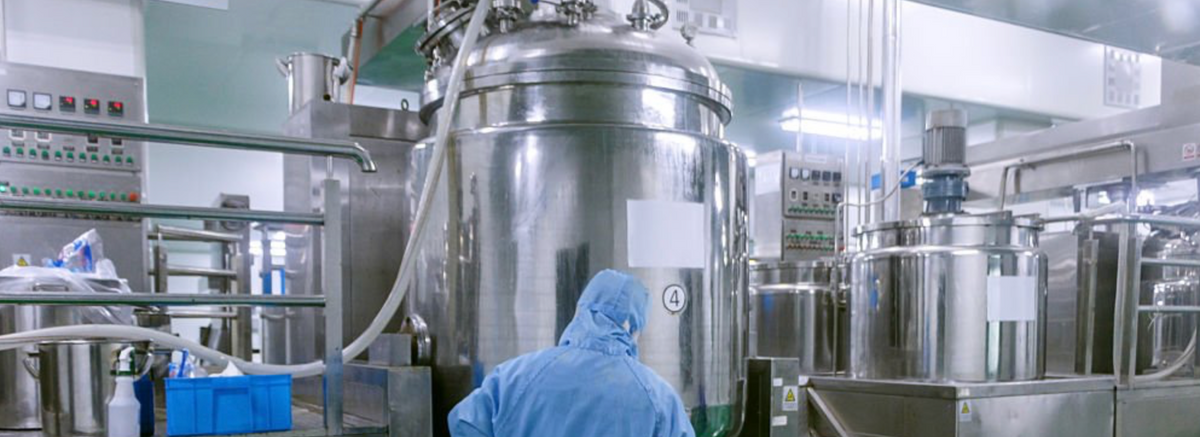
- Where to use them: ISO Class 6–8 (Class 1,000–10,000) areas, non-sterile support bays, vat and vessel cleaning, and heavy spill pickup.
- The trade-off: The cellulose component creates a natural capillary network that absorbs liquids lightning-fast, while the polyester matrix provides high wet-strength so the wipe won't tear on stainless steel welds. It gives you incredible absorbency and scrub resistance at a fraction of the cost of a full synthetic knit.
|
Wiper Material |
ISO Class |
Primary Uses |
Solvent Profile |
Lint Profile |
|
100% Knitted Polyester (Sealed Edge) |
Class 3–5 (10–100) |
Aseptic processing, critical filling lines, lens/optics prep |
Maximum Resists aggressive solvents and sharp welds |
Ultra-Low Continuous filaments; zero edge fraying |
|
Cellulose/ Poly Spunlace (Smooth) |
Class 6–7 (1k–10k) |
Vat & vessel sanitization, glass/tank interiors, disinfectants |
High Excellent resistance to IPA, sporicides & solvents |
Low Hydroentangled fibers; no binder leaching |
|
Cellulose/ Poly Spunlace (Creped) |
Class 6–7 (1k–10k) |
Vat & vessel sanitization, glass/tank interiors, disinfectants, extra scrub bite vs. smooth spunlace |
High Excellent resistance to IPA, sporicides & solvents |
Low Hydroentangled fibers; no binder leaching |
Key Features to Keep in Mind for Pharma
- Pre-Saturated vs. Dry: Pre-saturated wipes (like a standard 70% IPA / 30% DI water blend) streamline process consistency, reduce VOC emissions, and eliminate manual spraying. Dry wipes remain the go-to for custom sanitizing solutions or soaking up heavy fluid spills quickly.
- Sterile Options: If you are wiping down critical contact surfaces in Class 10–100 spaces, ensure your knitted wipes are gamma-irradiated (validated to a Sterility Assurance Level of .00001) and backed by a Certificate of Analysis (CoA) detailing particle limits and extractables.
- Smart Procurement: Don't waste money using expensive 100% synthetic knits in areas that don't require them. Reserving knits strictly for your Class 10–100 zones and switching your Class 1,000–10,000 support areas, vat cleaning, and general maintenance to spunlace blends can cut your wiping budget by 30% to 50%.
How Telesto Products Fits Your Facility
If you're managing an ISO Class 6–7 (Class 1,000–10,000) environment, Telesto Products (telestoproducts.com) delivers cleanroom-ready spunlace solutions engineered specifically for pharmaceutical and precision manufacturing floors:
- Pharmaceutical Industry Wiper Collection - Telesto's hydroentangled wipers for the Pharma Industry are tailored for smooth stainless-steel surfaces, production equipment, general maintenance and glass where you need streak-free cleaning and minimal particle generation. They are completely binder-free, ensuring zero residue leaches into active batches or clean-in-place (CIP) setups. Telesto has a variety of spunlace offerings for various jobs within your manufacturing facility. One specific product offering is designed for especially critical Class 1000-10,000 areas and comes double bagged and in bulk. Click here to view.
- Spunlace Creped & Flat Formats: Choose creped options from Telesto when operators need extra bite to scrub down machinery, or smooth options for routine wipe-downs.
- Bulk Case Ordering: Telesto Products offers packaging in bulk flatpack and quarterfold packaging so you can lower your cost-per-wipe without compromising quality or compliance.
Quick FAQs
Q: Can cellulose/polyester spunlace wipes handle 100% pure acetone or aggressive solvents?
A: Yes. Because true spunlace fabric uses high-pressure water jets instead of chemical glues to bond the fibers, organic solvents like acetone, MEK, or high-grade alcohol won't break down the wipe or leach binders onto your equipment.
Q: Why can't I just use standard shop rags for cleaning vats and stainless tanks?
A: Standard shop rags shed massive amounts of lint and loose threads that can foul filtration systems or contaminate batch cycles. Worse, laundered shop rags often harbor trace detergents, silicones, metal contamination and oils from previous facilities.
Q: Can spunlace cellulose/poly wipes be autoclaved?
A: They sure can. Cellulose/polyester blends easily handle standard steam autoclaving cycles (for 30 minutes) without melting or losing structural integrity.
More in Depth FAQ’s
Q: What is the difference between a sealed-edge and a standard-cut wiper?
A: Standard-cut wipers are mechanically chopped using blades, which leaves micro-fibers exposed along the borders that can detach during wiping. Sealed-edge wipers utilize ultrasonic sound waves, laser energy, or thermal heat to melt and fuse the polyester filaments along the edges. This locks down loose threads, preventing fraying and drastically lowering particle counts in ISO Class 3–5 (Class 10–100) environments.
Q: Why shouldn't we use 100% knitted polyester wipes across our entire facility to keep things simple?
A: While 100% synthetic knits offer unmatched cleanliness, using them everywhere creates two major inefficiencies: cost and fluid retention. Continuous-filament synthetic wipes carry a high price premium that isn't necessary for ISO Class 6–8 (Class 1,000–10,000) support areas. Furthermore, synthetic fibers are naturally hydrophobic; they struggle to absorb heavy liquid spills or aqueous solutions as quickly as hydroentangled cellulose/polyester blends.
Q: What makes hydroentangled spunlace fabric "binder-free," and why does that matter?
A: Cheaper nonwoven wipers use chemical adhesives, resins, or thermal glues to hold their fibers together. When exposed to harsh cleaning chemicals like 70% IPA, acetone, or bleach, these binders break down and leach non-volatile residues (NVR) onto your surfaces. Spunlace nonwovens made in the USA use high-pressure water jets to physically tangle wood pulp and polyester fibers together. Because no chemicals are added during bonding, there are zero binders to leach onto sensitive machinery, vats, or product-contact zones.
Q: How do I choose between a smooth format and a creped format for cellulose/polyester wipers?
A: Smooth wipers provide a flat surface ideal for streak-free wiping on smooth stainless steel, glass, and vessel interiors where maximum contact area is needed. Creped wipers undergo an additional mechanical process that adds micro-texture to the sheet. This creped surface creates a higher surface area for increased liquid retention and provides subtle physical "texture" to scrub away dried chemical residues, grease, or heavy build-up without scratching surfaces.
Q: Can cellulose/polyester spunlace wipes handle pure acetone, MEK, or concentrated acid cleaners?
A: Yes. Both cellulose and polyester possess high chemical compatibility. Because the fabric contains no chemical glues to dissolve, spunlace wipers retain up to 95% of their tensile strength when saturated with aggressive organic solvents like acetone, methyl ethyl ketone (MEK), or concentrated isopropyl alcohol.
Q: Are cellulose/polyester spunlace wipes suitable for gamma sterilization or autoclaving?
A: Absolutely. Spunlace blends tolerate standard steam autoclaving cycles (for 30 minutes) as well as gamma irradiation without melting, structural degradation, or losing wet strength. If you are operating in an aseptic processing area, purchasing pre-sterilized wipers (backed by a validated Sterility Assurance Level) is recommended over in-house autoclaving to ensure compliance.
Q: What is the typical shelf life of pre-saturated cleanroom wipers?
A: Dry wipers have an indefinite shelf life if stored in a clean, dry location. Pre-saturated wipers (such as 70% IPA / 30% DI Water) typically carry a 12-to-24-month expiration date from the manufacturing date. Over time, alcohol can slowly evaporate or migrate through packaging seals, which alters the saturation ratio and performance. Always check the expiration date and lot details provided on the manufacturer's Certificate of Conformance (CoC).
Q: How can Telesto Products assist with cleanroom validation audits?
A: Cleanroom auditors require documentation proving that consumable wipes won't introduce unaccounted contaminants into your process. Telesto Products supplies Certificates of Analysis (CoA) and Certificates of Conformance (CoC) for their class 1000 spunlace flatpack. Contact them here to ask about a certificate.


